
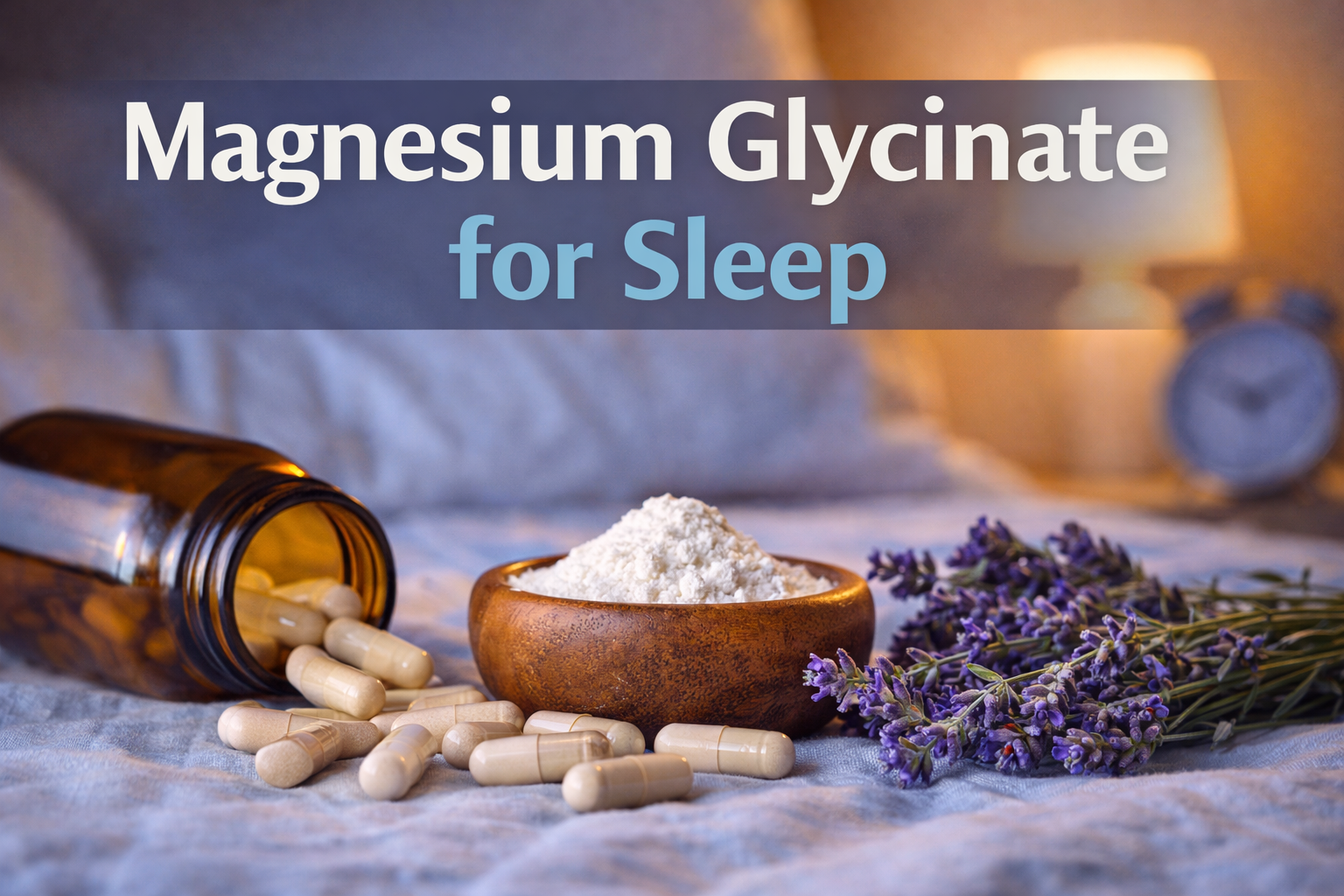
Sleep problems are becoming increasingly common in today’s fast-paced world. Many people struggle with falling asleep, staying asleep, or waking up feeling tired. Because of this, natural supplements that support relaxation and better sleep are gaining popularity.
One supplement that has received significant attention is magnesium glycinate for sleep. Known for its high absorption and calming properties, magnesium glycinate may help support relaxation, improve sleep quality, and promote overall wellness.
In this guide from Health Trader Co, we explore the magnesium glycinate benefits, how it works, why it’s widely recommended as magnesium glycinate for sleep, and how you can incorporate it into your health routine.
What Is Magnesium Glycinate?
Magnesium glycinate is a form of magnesium combined with the amino acid glycine. This combination helps improve the body’s ability to absorb magnesium while also providing calming effects.
Magnesium plays a critical role in more than 300 biochemical processes in the body, including muscle function, nerve signaling, and sleep regulation.
According to the National Institutes of Health, magnesium is essential for maintaining normal muscle and nerve function, supporting immune health, and regulating blood pressure.
Unlike some other magnesium forms, magnesium glycinate is known for being gentle on the stomach and highly bioavailable, making it a preferred option for many people.
Why Magnesium Is Important for Your Body
Magnesium is one of the most essential minerals for overall health.
It helps regulate important functions such as:
muscle relaxation
nervous system balance
blood sugar regulation
protein synthesis
sleep cycles
Unfortunately, many people do not get enough magnesium through diet alone.
Common causes of magnesium deficiency include:
high stress levels
poor diet
processed foods
caffeine consumption
certain medications
Because of this, magnesium supplementation has become increasingly common.
Magnesium Glycinate Benefits
Understanding the magnesium glycinate benefits can help explain why this supplement is widely recommended by health professionals.
1. Supports Better Sleep Quality
One of the most popular uses of magnesium glycinate is improving sleep.
Many people use magnesium glycinate for sleep because it helps calm the nervous system and relax the body before bedtime.
Magnesium helps regulate neurotransmitters that influence sleep, including gamma-aminobutyric acid (GABA), a chemical that promotes relaxation.
When magnesium levels are adequate, the body can enter a more relaxed state that makes falling asleep easier.
2. Promotes Relaxation and Reduces Stress
Magnesium is often called the “relaxation mineral.”
It plays a key role in regulating stress hormones and supporting the parasympathetic nervous system, which helps the body relax after periods of stress.
Regular magnesium intake may help reduce feelings of anxiety and support mental calmness.
This is another reason many people take magnesium glycinate for sleep, as stress and anxiety are major causes of insomnia.
3. Supports Muscle Recovery
Magnesium helps regulate muscle contractions and relaxation.
Athletes and active individuals often take magnesium supplements to help with:
muscle recovery
muscle cramps
post-exercise soreness
Magnesium glycinate may help support proper muscle function and reduce nighttime muscle tension that can interfere with sleep.
4. Supports Heart Health
Magnesium plays an important role in cardiovascular health.
It helps regulate:
-
blood pressure
-
heart rhythm
-
blood vessel relaxation
Research suggests that adequate magnesium intake may support healthy blood pressure levels.
According to Mayo Clinic, magnesium may contribute to maintaining healthy heart function and muscle performance.
5. May Improve Mood and Mental Health
Magnesium is closely linked to brain function and emotional health.
Low magnesium levels have been associated with increased stress and mood imbalance.
Some studies suggest magnesium supplementation may help support:
mood stability
reduced stress levels
improved mental clarity
This makes magnesium glycinate a useful supplement for individuals looking to support both sleep and emotional wellness.

Why Magnesium Glycinate for Sleep Works So Well
Many magnesium forms exist, including citrate, oxide, and malate.
However, magnesium glycinate is often considered one of the best options for sleep support.
Reasons include:
high absorption rate
calming glycine component
minimal digestive side effects
Glycine itself is an amino acid known for its calming effects and ability to promote relaxation.
Together, magnesium and glycine work synergistically to support deeper and more restful sleep.
Signs You May Need Magnesium
Magnesium deficiency can produce a variety of symptoms.
Common signs include:
difficulty sleeping
muscle cramps
fatigue
headaches
irritability
anxiety
If you frequently experience these symptoms, magnesium supplementation may help restore balance.
How to Take Magnesium Glycinate
Magnesium glycinate is usually taken in capsule or powder form.
General recommendations include:
taking it in the evening
consuming it with food
following dosage instructions on the product label
Many people take magnesium glycinate 30–60 minutes before bedtime to support relaxation and sleep.
Final Thoughts
Magnesium is one of the most important minerals for overall health, yet many people do not get enough of it.
Understanding the magnesium glycinate benefits can help you see why this supplement has become a popular choice for supporting relaxation, muscle recovery, and sleep quality.
For individuals struggling with insomnia or stress, magnesium glycinate for sleep may provide a natural way to support relaxation and promote healthier sleep patterns.
At Health Trader Co, our goal is to provide trusted health information that helps you make informed decisions about supplements and wellness strategies.
With the right approach to nutrition, lifestyle, and supplementation, achieving better sleep and overall health is possible.